Estimated read time: 3.5 minutes

Is Your Body Managing Energy Efficiently? Your Device Can Now Tell You with Insulin Resistance Trends

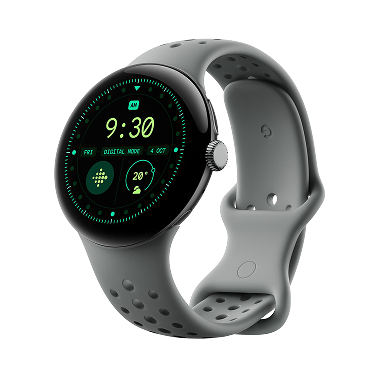
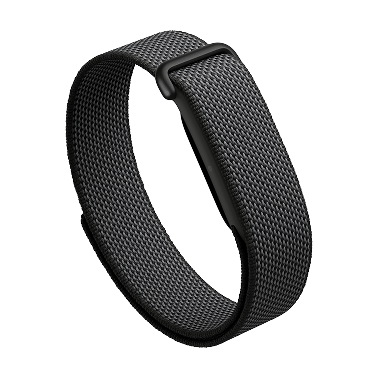
This new insulin resistance trends feature is coming to Pixel Watch 3, 4, and 5 and Google Fitbit Air this fall!

By: Shamira Sridharan Weaver, Ahmed Metwally

Google's new Health Guardian feature passively tracks your body's energy efficiency and serves as an early warning system for your metabolic health by estimating insulin resistance trends without a single drop of blood.

The Quick Takeaways

  • No Needles Required: The tool uses passive sensors on your wrist to track monthly shifts in your metabolic health, reserving formal lab work for when you're at the doctor's office.

  • Actionable Fuel Gauging: Think of it as a personal efficiency meter, giving you a sense of how efficiently your body absorbs energy from food and manages it throughout your activities.

  • Proactive, Not Reactive: By catching insulin resistance trends early, you can tweak your activity, nutrition, sleep, and lifestyle.

Why It Matters to You

Over 40% of adults live with quiet, invisible changes in how their bodies process energy. Because you can't necessarily "feel" insulin resistance, you might not realize your body is struggling to manage glucose and is putting stress on your body.

Our technology brings those unseen signals into the light, allowing you to fine-tune your energy management with simple daily choices.

The Invisible Insulin Resistance Crisis

Data Insight


40%+

US Adults living with invisible metabolic shifts1

More than 40% of American adults are living with invisible shifts in their metabolic health—often for years without a clear picture. This tool turns those quiet biological signals into actionable daily insights.

In a healthy body, your cells act like eager hosts, quickly opening their doors when insulin knocks to deliver glucose (energy). But when insulin resistance is trending high, those doors stay locked. The body has to knock louder and louder, pumping out more insulin to get the job done. The pancreas, which produces insulin, will work harder to create more insulin to clear the sugar from your blood. You may not feel this quiet struggle, but over time, it overworks your metabolic system, leaves you feeling chronically drained and sets the stage for future health hurdles. An exhausted pancreas may stop producing insulin, causing blood sugar levels to rise and potentially leading to diabetes.  But the good news is - insulin resistance trends can be shifted downward with lifestyle changes!
Image of a woman

Your Wearable as Your Personal Lab

Checking your metabolic health is generally something you do when a medical professional flags something as concerning. This traditional testing is reactive, focusing on identifying health problems rather than prevention or optimization. Google layers on a proactive approach. By turning the sensors already sitting on your wrist into a passive, non-invasive metabolic lab, this new Health Guardian feature empowers you to more effectively track subtle shifts in your metabolic health.

Over the course of a month, this new Health Guardian feature promotes health awareness through passive tracking, quietly keeping tabs on an orchestra of signals: the rhythm of your heart, the quality of your sleep, and your daily movements. By weaving these threads together using our proprietary model, your insulin resistance trends can be estimated without requiring a single drop of blood. You might be wondering how accurate this actually is. Our insulin resistance trend metric has been validated against traditional laboratory results, which typically relies on fasting blood draw to evaluate levels of both fasting glucose and fasting insulin.

Taking Control of your Insulin Resistance Trends

The goal of this new feature is to help you take control of your health journey, serving as a gentle reminder to pause and check your routines. When this Health Guardian feature detects sustained, elevated insulin resistance trends over the month, it alerts you with a gentle nudge to help you adjust your daily habits and get your metabolic health back in its sweet spot.

More information can be found in our peer-reviewed research published in Nature.


Please note: This feature is not intended to diagnose, mitigate, treat, or cure any disease. This feature is not a prescreener for diabetes nor is it intended to monitor glucose levels in real time. Do not use this feature for diabetes management or rely on this product to alter any medications or insulin levels. Consult a medical professional for any questions about your metabolic health.

Insulin resistance trends feature will be available on Pixel Watch 3, 4, 5 and Fitbit Air this fall.

More information can be found in our peer-reviewed research published in Nature.

News and insights

Recent announcements, findings, and highlights from our team

Your Sleep Has a Hidden Story. Now You Can See It.

This sleep breathing quality trends feature is coming soon to Pixel Watch devices this fall!

Is Your Heart Telling 
You Something You Can't Always Feel? Introducing Blood Pressure Trends

This blood pressure trends feature is coming to Pixel Watch 3, 4, and 5 and Google Fitbit Air this fall!

FAQ

  • Google Health is a health and wellness service that tracks your fitness, sleep, and health data through wearables like Fitbit, Pixel Watch, and other devices. It includes a digital health coach built with Gemini that works as your AI coach, using your metrics to adapt workout plans, optimize your sleep schedule, and answer health and wellness questions specific to you. Developed with health experts, your coach gets smarter as it learns your patterns, helping you make progress that actually sticks.2, 3
  • The Google Health app brings together your fitness, sleep, and health data from wearables, apps, and medical records to give you a holistic view of your health and wellness in one place. With a premium membership, you get an AI coach built with Gemini that gives you workout plans that adjust based on how recovered you are, helps you find out how much sleep your body needs, and answers questions about nutrition or what your metrics mean.2, 3
  • Yes, Google Health is free to download and use. You can track your metrics at no cost. There's also a premium membership available that unlocks proactive coaching and personalization across fitness, sleep, and health.2
  • Yes. Google Health connects with a wide range of wearables, apps, and devices for activity and wellness tracking. It works with Fitbit, Pixel Watch, and other compatible trackers, syncing data from fitness apps, smart scales, glucose monitors, and more. You can even import medical records securely, so all your health information lives in one place.
  • Yes. Google Health tracks your menstrual cycle, including predicted periods, fertile windows, and symptoms like mood, flow, and energy. Your data builds over time, giving you a clearer picture of your cycle and how it connects to your sleep, fitness, and daily routines. You can also ask Google Health Coach questions about your cycle health anytime and get answers based on your personal data.2
  1. Data shared in "Trends and Prevalence of the Metabolic Syndrome Among US Adults" in JAMA's December 2025 publication.

  2. Requires Google Health Premium subscription (sold separately), Google Health app, Wi-Fi, and internet connection. Features subject to change; availability varies. Not intended for medical purposes. Gemini features work independently of Gemini apps. Check responses for accuracy; results may vary.

  3. Not intended for medical purposes. Sleep tracking features are not intended to diagnose or treat any medical conditions and should not be relied on for medical purposes. It is intended to provide information that can help you manage your well- being. Consult your health care professional before making changes regarding your health.